
Winter Coats and Car Seats: The Bulky Jacket Strap Check
Think your child is securely buckled in their winter coat? Crash tests reveal that bulky jackets compress in an impact, creating dangerous harness slack.
Topic guide
Bulky Winter Coats and Harness Fit
When morning temperatures plummet below freezing, strapping your toddler into their car seat wearing a heavy down parka feels like responsible, loving parenting. The straps seem snug, the buckle clicks, and your little one looks like a cute, toasty marshmallow. But according to child passenger safety technicians (CPSTs) and pediatric trauma centers, bulky padding can make it harder to judge the harness fit.
Bulky coats can compress during a crash, leaving space beneath a harness that looked snug before impact. The practical point is to check the harness fit without relying on the coat’s padding. Follow the instructions for your child’s seat when checking fit and adding warm layers.
How to Test and Layer: The Two-Step Coat Check
Keeping your kids warm without compromising crash protection is surprisingly easy once you ditch the bulky puffy layer inside the harness. Here is TuTu's essential winter safety checklist:
- Run the Two-Step "Coat Test" at Home: Strap your child into the car seat wearing their winter coat and tighten the harness until snug. Now, unbuckle the chest clip and crotch buckle without loosening the adjustment strap. Take the coat off, sit your child back in the seat, and buckle them back in. If you can pinch a horizontal fold of webbing between your thumb and forefinger at their collarbone, that coat is too bulky for car seat use!
- Master the Collarbone Pinch Test: Whenever you buckle your child, run your fingers vertically along the shoulder straps at collarbone level and try to pinch the webbing horizontally. If your fingers slip off smoothly without grabbing extra fabric, the harness is snug. Always make sure the chest clip sits level with their armpits, never down on the belly.
- Layer Smart (Over, Never Under): Dress your child in thin, warm base layers—like thermal underwear, a fitted fleece sweater, or a thin fleece layer, with the harness fit checked each time. Once they are safely buckled in snug, tuck their warm winter coat backwards over their arms, drape a cozy blanket over the harness, and follow the seat manufacturer’s instructions for any covers or accessories. Keeping warm still requires a correctly fitted harness.
🎬 The Hidden Danger: Crash Physics and Compression Slack
NBC Today Show & Consumer Reports: Crash Test Footage of Winter Coats
Dramatic crash test laboratory footage demonstrates how puffy winter coats compress instantly during a collision, allowing crash test dummies to slip completely out of their safety harnesses.
Expand reference video (YouTube)
KSDK Consumer Alert: Identifying Bulky Jackets That Compromise Car Seats
A broadcast safety alert illustrating how everyday winter coats introduce dangerous strap slack, urging parents to inspect outerwear before heading out on winter highways.
Expand reference video (YouTube)
🎬 The Two-Step Harness Check: The Coat Test & Pinch Test
Car Seats For The Littles: Step-by-Step Coat Test Demonstration
Certified Child Passenger Safety Technicians walk through the exact two-step coat test protocol, comparing puffy snowsuits against thin fleece jackets to prove what passes.
Expand reference video (YouTube)
Safe in the Seat: How to Correctly Perform the Collarbone Pinch Test
Nationally recognized CPST Michelle Pratt demonstrates the exact technique for pinching the harness webbing at collarbone level to check harness snugness.
Expand reference video (YouTube)
CPST Safety Demonstration: Harness Positioning & Infant Cartilage Safety
A certified safety technician details why infant bodies have more cartilage than bone, making proper harness tightness and armpit-level chest clips vital during cold months.
Expand reference video (YouTube)
🎬 Safe Winter Layering: Fleeces, Ponchos, and Over-the-Strap Blankets
Rainbow Babies Hospital: Pediatric Trauma Guidelines for Winter Travel
Pediatric injury prevention experts from University Hospitals share medical guidance on thin layering, traveling with your own car seat, and checking harness tightness.
Expand reference video (YouTube)
Alternative Solutions: Car Seat Ponchos & Over-the-Harness Blankets
Showcases over-the-harness warming options including fleece car seat ponchos and blanket techniques that cover children without passing behind or under harness straps.
Expand reference video (YouTube)
More Picks Ready for You
TuTu Dug Up 3 More Related Videos
+3
Keep exploring
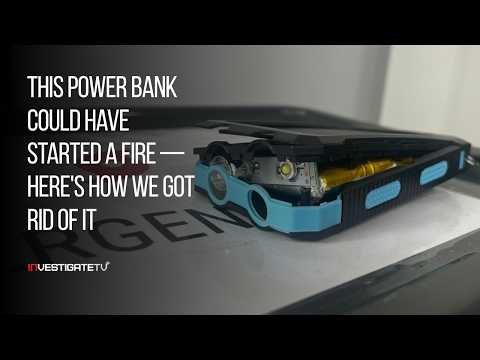
US Battery Recycling: Damaged Cells Need Different Care
Join TuTu to separate standard US battery recycling drop-offs from swollen or damaged lithium-ion cell protocols: taping terminals, isolating bloated packs in non-flammable containers, and checking county Household Hazardous Waste (HHW) rules.

Roommate Guests: Agree on Notice and Shared Space
Set clear roommate expectations for daytime visitors, overnight guest limits, advance notice, and shared kitchen or bathroom boundaries with TuTu.

Dried Beans: Soaking, Pressure Cooking and Safety
Compare dried bean preparation rules across varieties and appliances: overnight salt brining vs. no-soak pressure cooking, natural steam release to prevent burst skins, and why raw red kidney beans require full boiling before slow cooking.

Amtrak With Large Bags: Luggage Rules & Storage Guide
Wondering how to manage oversized suitcases on train journeys? Discover where large bags fit on Amtrak coach cars, route-by-route checked baggage rules, and Red Cap station transfer tips.
That’s this batch. More to explore another time.
This topic is AI-assisted and human-edited, and may contain errors or bias. If you own a featured video and do not want it displayed, please contact us.