
Sourdough in a Cold Kitchen: Feed Timing and Readiness
Don't let a chilly room ruin your bread: discover how ambient drops reshape fermentation timelines, how to tweak feed ratios, and how to judge peak starter readiness.
Topic guide
Why Your Starter Isn't Broken, It's Just Lowkey Hibernating
When autumn winds set in and your kitchen thermometer drops below 20°C (68°F), sourdough starters suddenly seem to lose their mojo. A jar that happily doubled within four hours back in July is now sitting completely flat six hours post-feed, looking like lifeless paste. Before you panic and assume your wild yeast died, here is the real talk: yeast and lactic acid bacteria are strictly temperature-driven organisms. In cold ambient air, their metabolic rate drops dramatically, stretching fermentation curves from a quick afternoon sprint into a marathon.
The biggest rookie trap in a chilly kitchen is stubbornly sticking to a summer recipe clock. If your room is cold, feeding schedules must bend to ambient reality. Attempting to mix bread dough before your levain has genuinely peaked will leave you with a gummy, dense brick with zero oven spring.
Ratio Tweaks, Warm Water Buffering, and Visual Peak Cues
Managing cold-weather sourdough comes down to three smart adjustments: water temperature, feeding ratios, and sensory observation. Instead of using cold tap water, buffer your feed with lukewarm water around 27°C–29°C (80°F–85°F). If your starter takes twelve hours to wake up, adjust your feeding ratio—a modest 1:1:1 or 1:2:2 ratio gives cold microbes a manageable workload compared to heavy dilutions like 1:5:5.
Most importantly, ditch the kitchen timer and read the jar itself. Look for a pronounced domed surface just before it levels off, bubbly aeration clinging to the glass walls, and a sweet, yeasty aroma with gentle lactic tang. TuTu brings together baking experiments and winter troubleshooting videos to compare the feeding conditions and readiness cues they discuss.
🎬 Ambient Temperature Effects on Fermentation & Rise Curves
The Sourdough Journey: Cold Kitchen Rise Curves and Winter Baking Schedules
A detailed scientific examination of how room temperatures below 68°F elongate fermentation cycles, with real-life schedule adjustments for winter bakers.
Expand reference video (YouTube)
Cold Kitchen, Warm Dough: Controlling Dough Temperature and Ambient Gaps
Practical masterclass teaching bakers how to separate ambient room chill from dough core temperature to maintain vigorous fermentation without fancy proofers.
Expand reference video (YouTube)
Bake with Jack Timelapse Experiment: Water Temperature vs Starter Activity
Jack builds side-by-side starter samples across different water temperatures, visually proving how initial temperature buffering offsets cold kitchen slowness.
Expand reference video (YouTube)
🎬 Adjusting Feeding Ratios, Warm Water & Microclimates
Baker Bettie: 5 Practical Tips to Keep Sluggish Starters Active in Winter
Covers essential cold-weather fixes including warm water feeding, microwave microclimates, and whole grain flour blends that provide extra yeast nutrients.
Expand reference video (YouTube)
Winter Starter Slowdown: Three Simple Fixes for Home Bakers
Explains how increasing carryover seed starter and keeping jars inside insulated coolers with a warm jar of water creates consistent fermentation warmth.
Expand reference video (YouTube)
The Bread Code: Calibrating Feeding Ratios to Ambient Room Conditions
Breaks down why standard 1:1:1 feeding rules fall short in cold weather and how tweaking flour-to-starter proportions controls the exact time of your peak.
Expand reference video (YouTube)
🎬 Identifying True Peak Readiness by Sight and Scent
Stop Guessing Peak Readiness: How Temperature Dictates Peak Windows
Demonstrates how temperature shifts the starter peak window from 4 hours to over 10 hours, showing bakers how to calculate optimal feeding windows.
Expand reference video (YouTube)
Reading Visual Signs of Peak: Dome Shape, Bubble Distribution & Aromas
Compares side-by-side jars to teach home bakers how to identify true visual peak status through surface curvature and webbed gluten bubbles rather than time.
Expand reference video (YouTube)
More Picks Ready for You
TuTu Dug Up 3 More Related Videos
+3
Keep exploring
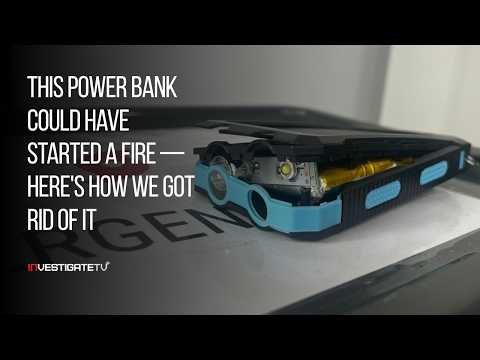
US Battery Recycling: Damaged Cells Need Different Care
Join TuTu to separate standard US battery recycling drop-offs from swollen or damaged lithium-ion cell protocols: taping terminals, isolating bloated packs in non-flammable containers, and checking county Household Hazardous Waste (HHW) rules.

Roommate Guests: Agree on Notice and Shared Space
Set clear roommate expectations for daytime visitors, overnight guest limits, advance notice, and shared kitchen or bathroom boundaries with TuTu.

Dried Beans: Soaking, Pressure Cooking and Safety
Compare dried bean preparation rules across varieties and appliances: overnight salt brining vs. no-soak pressure cooking, natural steam release to prevent burst skins, and why raw red kidney beans require full boiling before slow cooking.

Amtrak With Large Bags: Luggage Rules & Storage Guide
Wondering how to manage oversized suitcases on train journeys? Discover where large bags fit on Amtrak coach cars, route-by-route checked baggage rules, and Red Cap station transfer tips.
That’s this batch. More to explore another time.
This topic is AI-assisted and human-edited, and may contain errors or bias. If you own a featured video and do not want it displayed, please contact us.