
US Credit Freezes: Three Bureaus and Temporary Lifts
Don't pay for commercial credit locks! Federal law guarantees 100% free security freezes across all three nationwide bureaus.
Topic guide
Freeze vs. Lock vs. Fraud Alert: Know Your Federal Rights
Under the federal Economic Growth, Regulatory Relief, and Consumer Protection Act, credit freezes are 100% free to place, temporarily lift, and remove at all three credit bureaus. Commercial "credit locks," on the other hand, are proprietary bureau products that often come bundled with monthly subscription fees and may lack the strict legal liability protections established by federal law. Meanwhile, a fraud alert merely tells creditors to verify your identity before extending credit—it doesn't seal the file shut. Setting up a genuine security freeze gives you guaranteed legal protection without spending a single dollar.
Managing the Three Bureaus and Planning a Temporary Thaw
Because the three nationwide credit reporting agencies maintain independent databases, you must establish an account and freeze your file at each one separately: Equifax, Experian, and TransUnion. The biggest misconception about credit freezes is that they permanently lock you out of your own finances. In reality, modern bureau portals make it effortless to perform a "temporary lift" (or credit thaw). Whether you're financing a car, applying for a mortgage, or getting a new credit card, you can simply unfreeze your report for a specific date range (such as 3 to 7 days) or directly ask your lender which specific bureau they pull from. Dive into our curated digital security and personal management guide below to master the setup steps and take full control of your credit security!
🎬 Credit Freeze Fundamentals: Freeze vs. Lock vs. Alert
Freezes vs Locks vs Alerts: Federal Rights Under the 2018 Law
Rob Berger breaks down why you shouldn't pay monthly fees for credit locks when federally mandated freezes are 100% free with stronger legal protections.
Expand reference video (YouTube)
Experian Official Guide: How Freezes Seal Access to Credit Files
A clean, official two-minute overview straight from one of the major bureaus explaining exactly what happens behind the scenes when a freeze is placed.
Expand reference video (YouTube)
🎬 Freezing with the Big Three: Equifax, Experian & TransUnion
Navigating Official Bureau Portals Without Paid Marketing Upsells
Follow along with the actual browser screens! This walkthrough ensures you navigate directly to the free freeze options without clicking on paid marketing upsells.
Expand reference video (YouTube)
Managing Login Credentials, Security PINs, and Freeze Confirmations
Focuses on security hygiene: keeping track of your bureau logins, saving verification PINs safely, and understanding how freezes affect your existing accounts.
Expand reference video (YouTube)
10-Minute Rapid Setup Across Equifax, Experian, and TransUnion
Proof that securing your credit doesn't take hours of paperwork. Set aside 10 minutes and knock out all three bureaus in one quick session!
Expand reference video (YouTube)
🎬 Temporary Thaws and Application Planning
End-to-End Workflow: Placing Freezes and Scheduling Temporary Thaws
The complete package! It clearly demystifies the unfreezing process so you never have to worry about being caught off-guard during a loan application.
Expand reference video (YouTube)
Equifax Portal Walkthrough: Date-Range Unfreezing for Applications
Shows you exactly which buttons to click when you need to temporarily lift your freeze for an apartment lease, auto loan, or new credit card.
Expand reference video (YouTube)
Clark Howard's Rule: Ask Which Bureau the Lender Pulls Before Thawing
Clark Howard gives golden consumer advice: always ask your lender which specific bureau they pull from so you only have to lift a single freeze instead of all three!
Expand reference video (YouTube)
More Picks Ready for You
TuTu Dug Up 3 More Related Videos
+3
Keep exploring
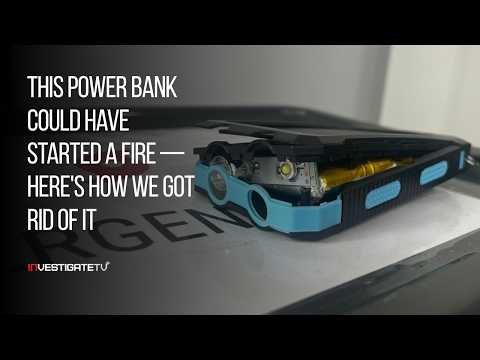
US Battery Recycling: Damaged Cells Need Different Care
Join TuTu to separate standard US battery recycling drop-offs from swollen or damaged lithium-ion cell protocols: taping terminals, isolating bloated packs in non-flammable containers, and checking county Household Hazardous Waste (HHW) rules.

Roommate Guests: Agree on Notice and Shared Space
Set clear roommate expectations for daytime visitors, overnight guest limits, advance notice, and shared kitchen or bathroom boundaries with TuTu.

Dried Beans: Soaking, Pressure Cooking and Safety
Compare dried bean preparation rules across varieties and appliances: overnight salt brining vs. no-soak pressure cooking, natural steam release to prevent burst skins, and why raw red kidney beans require full boiling before slow cooking.

Amtrak With Large Bags: Luggage Rules & Storage Guide
Wondering how to manage oversized suitcases on train journeys? Discover where large bags fit on Amtrak coach cars, route-by-route checked baggage rules, and Red Cap station transfer tips.
That’s this batch. More to explore another time.
This topic is AI-assisted and human-edited, and may contain errors or bias. If you own a featured video and do not want it displayed, please contact us.