
Guinea Pig Enrichment: Hay, Foraging and Safe Materials
Ditch flashy pet-store gimmicks: turn plain paper bags, cardboard tubes, and Timothy hay into safe, species-appropriate foraging adventures!
Topic guide
Why Your Guinea Pig Ignores Fancy Pet-Store Toys For A Free Paper Bag
Real talk: anyone who has ever spent twenty bucks on a neon-colored pet store gadget only to watch their guinea pig completely ignore it and chew on the shipping box knows the struggle! Pet aisles are packed with flashy novelty items that look cute to human eyes—like exercise wheels, plastic balls, or dyed mineral blocks—that are actually unsafe for a guinea pig's fragile spine and digestive system.
TuTu went down a major small-pet enrichment rabbit hole 🕳️ to see what actually makes cavies popcorn with joy. In the wild, guinea pigs spend the vast majority of their waking hours rooting through tall grass, nibbling, and tunneling. That means true species-appropriate enrichment is almost always tied to foraging for Timothy hay and leafy greens rather than complex mechanical puzzles. When you align playtime with their natural grazing instincts, even the laziest little potato wakes right up!
Safe Cardboard Checks And Reading Your Piggy's Body Language
Before turning household recyclables into a DIY foraging playground, material safety comes first. Plain, unbleached brown paper bags, toilet paper rolls with all glue residue removed, and unprinted cardboard boxes with tape and staples stripped off are lowkey chef's kiss 👌 for stuffing with hay and herbs. Avoid glossy, heavily inked cereal boxes or treated woods, and always cut slits into narrow paper tubes so a curious piggy never gets their nose stuck.
Just as important is observing how your individual guinea pig responds. Moving one hidey house to a new corner or scattering tonight's hay across a shallow cardboard foraging tray should spark immediate sniffing and exploring. Watch these hands-on clips to build safe, budget-friendly boredom busters and read your herd's happiest cues!
🎬 Hay-First Foraging: Scatter Feeding, Paper Bags & Timothy Hay Balls
Everyday Foraging Enrichment: Paper Bags, Cardboard Tubes & Floor Exploration
Guinea Pigs Australia breaks down why foraging is the ultimate mental workout for cavies. Seeing how simple recycled toilet rolls, brown paper bags stuffed with hay, and supervised grass time tap into their natural grazing instincts proves you don't need expensive store-bought gimmicks.
Expand reference video (YouTube)
Scatter Feeding, Substrate Variety & Low-Effort Foraging Games for Guinea Pigs
If your piggies spend all day napping in one corner, ditching the food bowl for scatter feeding is an instant game changer. Hiding veggies and pellets inside hay piles or across different cage textures gets lazy guinea pigs moving, sniffing, and popcorning.
Expand reference video (YouTube)
DIY Cardboard Hay Balls & Packing Paper Tunnels vs Store-Bought Chew Toys
Real-world proof that guinea pigs prefer free household recyclables over commercial chew toys! Watch this herd go wild for DIY cardboard hay balls and crinkly packing paper tunnels while learning how 3rd-cutting Timothy hay and fresh herbs drive their curiosity.
Expand reference video (YouTube)
🎬 Safe Materials Check: Unprinted Cardboard, Egg Cartons & Fleece Snuffle Mats
Forage Boxes, Stacking Cups & Unprinted Cardboard Egg Cartons for Hay Stuffing
A super practical walkthrough of safe foraging containers, from plain unprinted cardboard egg cartons to shallow cardboard dig boxes layered with Timothy hay and grain-free nuggets. Tossing stacking cups around to uncover hidden treats keeps small pets busy for hours.
Expand reference video (YouTube)
Safe Plain Cardboard Projects: Hay Digging Boxes and Hideout Tunnels
Before tossing out clean shipping boxes, check out how to turn plain corrugated cardboard into low-lip foraging trays and multi-door hideouts. Cutting wide entryways ensures two guinea pigs never trap each other while rummaging for dried forage.
Expand reference video (YouTube)
Fleece Snuffle Mat Construction: Hiding Leafy Greens and Pellets at Varying Depths
Making a washable fleece snuffle mat is lowkey one of the easiest DIY projects ever. By tucking romaine lettuce pieces and pellets at different depths between soft fleece strips, you can adjust the foraging difficulty to match your piggy's confidence level.
Expand reference video (YouTube)
🎬 Reading Your Piggy's Response: Spotting Boredom & Stress-Free Floor Time
Observing Your Guinea Pig's Response: How Simple Layout Shifts Spark Curiosity
How do you tell the difference between a relaxed guinea pig and a chronically bored one? This thoughtful breakdown shows how a five-minute test—like shifting a hidey or dropping a hay-stuffed paper bag—helps you observe your pet's baseline curiosity and appetite.
Expand reference video (YouTube)
Interactive Floor Time, Hay Boxes & Building Confidence Without Stress
Enrichment works best when your guinea pigs feel completely secure. Setting up a dedicated floor-time hay box where they can retreat, munch, and explore at their own pace builds lasting trust without forcing uncomfortable handling.
Expand reference video (YouTube)
More Picks Ready for You
TuTu Dug Up 3 More Related Videos
+3
Keep exploring
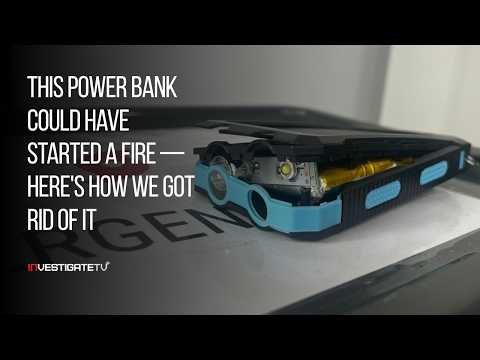
US Battery Recycling: Damaged Cells Need Different Care
Join TuTu to separate standard US battery recycling drop-offs from swollen or damaged lithium-ion cell protocols: taping terminals, isolating bloated packs in non-flammable containers, and checking county Household Hazardous Waste (HHW) rules.

Roommate Guests: Agree on Notice and Shared Space
Set clear roommate expectations for daytime visitors, overnight guest limits, advance notice, and shared kitchen or bathroom boundaries with TuTu.

Dried Beans: Soaking, Pressure Cooking and Safety
Compare dried bean preparation rules across varieties and appliances: overnight salt brining vs. no-soak pressure cooking, natural steam release to prevent burst skins, and why raw red kidney beans require full boiling before slow cooking.

Amtrak With Large Bags: Luggage Rules & Storage Guide
Wondering how to manage oversized suitcases on train journeys? Discover where large bags fit on Amtrak coach cars, route-by-route checked baggage rules, and Red Cap station transfer tips.
That’s this batch. More to explore another time.
This topic is AI-assisted and human-edited, and may contain errors or bias. If you own a featured video and do not want it displayed, please contact us.