
Dyatlov Pass: Forensics, Science & Avalanche Truth 🏔️
Tents cut from the inside, barefoot tracks in -30°C snow, and car-crash trauma with no bruises? Join TuTu as we investigate the chilling truth of the Dyatlov Pass Incident! 🏔️📁
Topic guide
The Midnight Flight on Dead Mountain: History's Most Baffling Cold Case
On the night of February 1, 1959, nine experienced Soviet university ski hikers led by 23-year-old Igor Dyatlov pitched their tent on the eastern slope of Kholat Syakhl—a bleak Ural mountain known in the indigenous Mansi language as "Dead Mountain." Sometime in the pitch darkness, something so terrifying occurred that the hikers sliced their tent open from the inside and fled down an icy slope into -30°C blizzard winds, leaving behind their boots, coats, and survival equipment. Weeks later, search parties discovered their bodies scattered across the snowy forest: some in their socks and underwear, others suffering from massive internal crushing trauma comparable to a high-speed car crash, yet with zero external soft-tissue bruising. For over six decades, the Dyatlov Pass Incident became the ultimate holy grail of unsolved mysteries, inspiring wild theories of Yeti attacks, secret KGB acoustic weapons tests, and alien encounters. 🏔️📁👀
Before we tumble down the paranormal rabbit hole, here is a quick blindspot quiz from TuTu: 💡 Why were several hikers found semi-undressed in sub-zero snow if they were freezing to death? In severe stages of fatal hypothermia, the human brain suffers from a bizarre neuro-vascular reflex known as "Paradoxical Undressing." As the body's peripheral vasoconstriction exhausts its energy reserves, constricted blood vessels suddenly dilate, sending a massive rush of warm core blood to the skin. Dying victims experience an overwhelming hallucination of burning heat, causing them to tear off their clothes and engage in "terminal burrowing" into snow crevices! Watch Zack D. Films and forensic examiners illustrate this strange physiological survival reflex in video 7 at 00:15! ❄️🧠
Solving the Sixty-Year Enigma: Snow Mechanics, Katabatic Winds, and Blunt Force
This T-Files collection compares accounts of the evidence and proposed explanations, with attention to what each source can establish.
First, re-examine the physical campsite layout. The hikers dug into the snow slope to pitch their tent, unwittingly creating a critical failure line beneath a heavy, dense snow slab. Combined with intense katabatic winds that deposited additional snow mass over hours, a delayed, localized slab avalanche slipped onto the tent while the hikers slept, breaking ribs and skulls without triggering a mountain-wide slide.
Second, understand the panicked evacuation. Disoriented, injured, and blinded by freezing darkness, the survivors made a rational group decision to descend 1.5 kilometers toward the tree line to build an emergency cedar campfire and snow den. In severe winds, frostbite sets in within three minutes.
Third, review the 2021 scientific breakthrough. Swiss geophysicists at EPFL and ETH Zurich published a landmark paper in Nature Communications Earth & Environment, using computational snow animation models—ironically utilizing code originally developed for Disney's Frozen—to prove that a delayed snow slab could produce the exact blunt-force crushing injuries recorded in the Soviet post-mortem reports. Join TuTu to compare the proposed explanations for the incident and the evidence each presenter discusses. 🔎❄️
🎬 The Expedition & Forensics: Tent Slits, Barefoot Tracks & Autopsy Anomalies
Thoughty2: Why Can Nobody Solve Dyatlov Pass? — Physical Evidence & Theories
Thoughty2 reconstructs the timeline of the nine Soviet hikers on Kholat Syakhl, systematically examining the bizarre physical evidence: cut tents from the inside, barefoot tracks in -30°C snow, and blunt force injuries without external bruising.
Expand reference video (YouTube)
Bedtime Stories Part 1: Departure, Camp Pitching on Kholat Syakhl & Initial Inquiries
An illustrated historical narrative walking through the expedition led by Igor Dyatlov, detailing their diary entries, camera rolls, and the fateful decision to pitch their tent on the exposed upper slope of Dead Mountain.
Expand reference video (YouTube)
Bedtime Stories Part 3: The 2019 Russian Re-Investigation & Forensic Conclusions
Focuses on modern investigative revisits to the Ural Mountains, explaining how Soviet prosecutors initially concluded an 'unknown compelling natural force' caused the deaths, and detailing modern biomechanical testing.
Expand reference video (YouTube)
🎬 The Scientific Breakthrough: Delayed Slab Avalanche & Katabatic Slope Physics
Brew: After Decades, How Swiss Scientists & Snow Simulation Solved Dyatlov Pass
An exhaustive, feature-length documentary analyzing the 2021 Swiss geophysics breakthrough published in Nature Communications, demonstrating how a delayed mini-slab avalanche caused by katabatic winds crushed the tent while hikers slept.
Expand reference video (YouTube)
The Infographics Show: Comparing Avalanche Simulation, Infrasound Panic & KGB Weapons Tests
An animated forensic breakdown contrasting sensational Cold War folklore—including parachute mine tests, Yeti encounters, and vortex-induced infrasound—against topographical slope physics and hypothermic disorientation.
Expand reference video (YouTube)
🎬 Terminal Hypothermia & Ravine Trauma: Paradoxical Undressing & Final Hours
MrBallen: The Chilling Autopsy Findings in the Ravine — Missing Soft Tissue & Crushed Ribs
Master storyteller MrBallen details the chilling recovery of the final four hikers buried under four meters of snow in a ravine, analyzing why forensic examiners compared their massive internal crushing injuries to a high-speed car crash.
Expand reference video (YouTube)
Zack D. Films: Paradoxical Undressing & Why Hypothermia Makes Victims Strip #Shorts
A viral 3D anatomical animation explaining 'paradoxical undressing' and terminal burrowing, revealing why freezing mountaineers feel a sudden burning sensation and tear off their clothes in their final moments.
Expand reference video (YouTube)
More Picks Ready for You
TuTu Dug Up 4 More Related Videos
+4
The Dyatlov Pass Incident - Part Two
Dyatlov Pass Mystery: How Did 9 Hikers Die in One Night?
The Horrible True Story of Dyatlov Pass
The Dyatlov Pass Incident: The 2021 Science Report That Changes Everything
Keep exploring

Fingerprint Evidence: Error Rates and Human Judgement
How do forensic examiners compare partial crime-scene fingerprints, and where can human judgment introduce error? Join TuTu to explore the ACE-V framework, black-box false-positive rates, cognitive bias, and the 2004 Brandon Mayfield misidentification.

Roman Concrete: Lime Clasts and Self-Healing Claims
Investigating the material science behind ancient Roman concrete, examining MIT's lime clast discovery, hot mixing thermodynamics, and what laboratory tests actually prove about crack self-healing.

Vasa's Capsize: Stability and Surviving Records
Vasa's 1628 sinking is explored through its stability trial, cannon layout, ballast constraints and surviving records. The collection connects the capsize account with later salvage and engineering research.
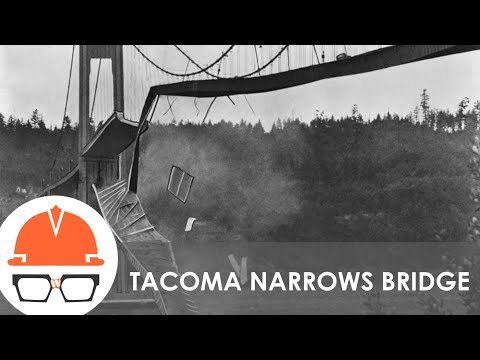
Tacoma Narrows Bridge Collapse: Flutter, Torsion & Wind Myths
Explore videos about the 1940 Tacoma Narrows Bridge collapse with TuTu. The collection brings together explanations of torsion, wind, resonance, and aeroelastic flutter for a closer look at how the event is described.
That’s this batch. More to explore another time.
This topic is AI-assisted and human-edited, and may contain errors or bias. If you own a featured video and do not want it displayed, please contact us.