
Running Cadence: Individual Step Rates and Knee-Load Research
Cadence is individual. Join TuTu to distinguish knee-loading measures, explore modest changes and avoid universal step-count or injury-prevention promises.
Topic guide
Beyond Pushing Through Pain: The Mechanical Reality of Running Cadence 🏃♀️✨
Knee pain and shin discomfort during running can have several causes. Overstriding and cadence are factors to assess, rather than a diagnosis from your step count alone. TuTu explores what running biomechanics research can tell us about small changes in step rate—and what it cannot promise about pain or injury. 👀💡
The measurement matters: joint energy absorption, force and loading rate are different quantities. In Heiderscheit and colleagues’ 2011 treadmill study of 45 healthy runners at individually fixed speeds, increasing usual cadence by 5% reduced knee energy absorption by about 20%; this was not a 20% drop in peak ground reaction force. Table 1 reports peak vertical ground reaction force of 23.6 N/kg at usual cadence, 23.4 at +5% and 23.0 at +10%, with only the +10% change statistically significant. Vertical excursion also decreased. These laboratory findings do not establish that every runner will avoid injury.
From 180 SPM Myths to Metronome Drills and Knee-Friendly Mechanics 💡
To optimize your cadence without straining your cardiovascular system, runners should keep three core principles in mind when watching today's expert guides:
First, cadence is personal. Height, leg length and running speed all affect the number, so neither 180 SPM nor “under 165 SPM” is a universal target or danger line. A low step count alone does not diagnose overstriding. Use your usual cadence at a comparable pace as a reference, and assess foot placement and symptoms as well.
Second, foot placement deserves attention without forcing a particular foot strike. A modest increase in step rate at the same speed may shorten the step and change landing mechanics, but it does not automatically remove pain. A modelling study of patellofemoral loading also distinguishes estimated joint forces from ground reaction force; those measures should not be presented as interchangeable.
Third, metronome or music cues can help you explore a small change relative to your own baseline, rather than forcing everyone to run at 170–180 BPM. Habitual cadence did not significantly predict injury in a nine-month observational study of adult Department of Defense runners; that does not prove retraining is useless. No cadence guarantees an injury-free stride. Stop a painful drill and seek assessment for persistent or worsening pain. 🏃♀️
Research references: 2011 treadmill study · Patellofemoral force modelling · Nine-month injury observation
🎬 Cadence Fundamentals: Overstriding, Efficiency & The 180 SPM Debate
Ben Parkes: How to Improve and Increase Running Cadence for Efficiency
Marathon coach Ben Parkes explains the relationship between step rate and forward momentum. He highlights how low cadence creates heavy braking forces that sap your energy. Runners learn why shortening your stride and quickening turnover may change running mechanics; immediate efficiency gains are not guaranteed, along with practical tips for gradual 5% increases over several weeks.
Expand reference video (YouTube)
James Dunne: Perfect Running Form and Running Cadence Simplified
Rehabilitation specialist James Dunne cuts through overcomplicated gait analysis jargon to clearly demonstrate why cadence is one factor to consider when assessing running form. He illustrates how a quicker step rate naturally pulls your foot strike closer under your pelvis, which may help address overstriding; pain relief is not guaranteed without forcing runners into unnatural toe-first landings.
Expand reference video (YouTube)
Global Triathlon Network: The Truth About the 180 SPM Running Cadence Myth
The Global Triathlon Network team investigates the historical origins of the famous 180 steps-per-minute benchmark derived from elite distance runners. The presenters explain that optimal step rate naturally varies according to runner height, limb length, and training pace. Instead of stressing over hitting exactly 180, athletes learn how to identify their personal cadence sweet spot.
Expand reference video (YouTube)
🎬 Joint Mechanics: Knee Load Reduction & Physical Therapy Insights
Mobility Plus Sports Rehab: Running Cadence for Knee and Hip Pain Relief
This Mobility Plus Sports Rehab guide discusses cadence and knee/hip mechanics. Site clarification: peak ground reaction force, loading rate and modelled joint force are different measures; a percentage from one cannot be applied to the others. Original demonstrations and statements have not been checked segment by segment. A cadence adjustment is not a guaranteed treatment for knee or hip pain.
Expand reference video (YouTube)
Gordon Physical Therapy: Simple Cadence Adjustment to Decrease Knee Pain
Licensed physical therapists at Gordon Physical Therapy share clinical evidence showing how shifting cadence reduces ground reaction forces on the lower extremities. The clinic walks through simple diagnostic cues runners can test on the road as observations rather than an immediate diagnosis or guaranteed pain remedy.
Expand reference video (YouTube)
🎬 Practical Implementation: Metronome Cues, Stride Drills & Form Fixes
Taren's MōTTIV Method: Improve Your Running Cadence with Practical Cues
Coach Taren presents actionable drills and rhythmic cues designed to raise turnover without causing runners to sprint or spike their heart rate. He demonstrates how listening to targeted beat-matched music playlists or gentle audio metronomes trains the nervous system to adopt lighter, springier footsteps without overthinking mechanical cues like arm swing or hip extension.
Expand reference video (YouTube)
Fix My Running: How to Fix Overstriding with Wall and Cadence Drills
This visual tutorial pinpoints the classic braking effect caused by reaching forward with the heel on foot strike. The coach introduces two simple pre-run warm-up drills that encourage dynamic hip flexion and compact leg cycling, as practice ideas rather than a guarantee of joint-friendly mechanics on every run.
Expand reference video (YouTube)
More Picks Ready for You
TuTu Dug Up 4 More Related Videos
+4
Running Cadence Tips 🏃♂️
Knee Pain While Running? Here’s an easy fix
Stop Overstriding: Fix Running Pain & Shin Splints #RunningTips #HealthyRunning
3 Minutes to Correct your Running Form
Keep exploring
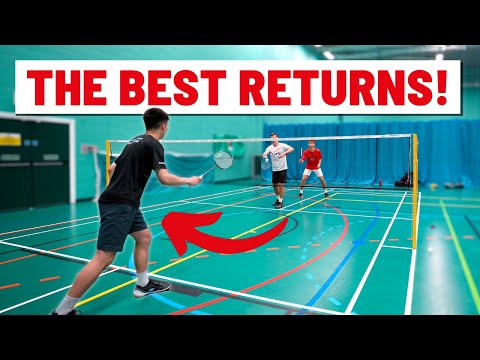
Badminton Doubles: Serve Returns and Court Coverage
A tactical guide breaking down high-percentage doubles serve returns, reading server habits, and seamless court rotation between front-and-back attack and side-by-side defense.

Indoor Cycling Rollers: Mounting, Balance and Space
Indoor cycling rollers through beginner setup, mounting, balance and room positioning. The collection compares doorway support, cadence and progression drills, with attention to how rollers differ from fixed trainers.

Autumn Rain Layers: Shell Venting and Damp Clothing Guide
Learn how to regulate body temperature and moisture during wet autumn hikes. Discover practical pit-zip venting techniques, base-layer moisture transfer, and damp gear drying strategies.

Orienteering Maps: Contours, Bearings and Smart Route Choice
Join TuTu to explore orienteering-map videos on contour lines, map setting, compass bearings, and route choice. Compare how each example connects features on the map with decisions on the ground.
That’s this batch. More to explore another time.
This topic is AI-assisted and human-edited, and may contain errors or bias. If you own a featured video and do not want it displayed, please contact us.