
Movie Lighting With Desk Lamps: Shape the Shadows
You don't need a four-figure cinema light kit to shoot moody, cinematic frames—an adjustable desk lamp and thoughtful shadow placement can do the heavy lifting.
Topic guide
Why Great Lighting Is About Shadows, Not Wattage
Whenever rookie creators decide to make their videos look cinematic, their instinct is usually to blast the room with as much light as humanly possible or drop hundreds of dollars on massive softboxes. Real talk: cinematic mood isn't about buying expensive fixtures. It's about where you deliberately choose NOT to put light. An ordinary articulated desk lamp sitting on your workspace has more storytelling power than you think—especially when you're shooting tabletop setups, miniature scenes, or moody product b-roll.
Whether you're framing dynamic sequences on your mirrorless setup or pairing mobile lenses alongside our iPhone 16 Pro Camera Cinematic Guide, shaping shadows gives flat two-dimensional frames instant depth. A bare desk lamp gives you directional punch. Add a sheet of parchment paper or a white foam board bounce, and suddenly you have a controlled key light with painterly falloff.
Dialing in Angles and Staying Safe Around Hot Fixtures
TuTu went down this lighting rabbit hole to curate the most practical techniques for shaping shadow geometry. By rotating your desk lamp 45 degrees off-axis and lighting from the upstage side (the shadow side facing camera), you create natural contrast and separation that pulls your subject right off the background.
One non-negotiable safety check before you start filming: mind your bulb heat! Traditional incandescent desk bulbs get scorching hot within minutes. If you're clipping baking paper or DIY diffusion to lamp shades, always use wooden clothespins, keep flammable materials away from direct bulb contact, or swap in modern cool-running LED bulbs. Join TuTu as we dive into these eight creator breakdowns to turn modest household desk lamps into versatile mini cinema lights.
🎬 1. Sculpting Key Light and Negative Fill with Household Fixtures
The Pixie Setup: Sculpting Cinematic Tabletop Scenes with One Desk Lamp
Aaron and Kat demonstrate how an ordinary articulated desk lamp can mimic a motivated single-source key light on tabletop sets. They break down angle, falloff, and subtle camera placement to turn everyday clutter into high-contrast film scenes without professional studio gear.
Expand reference video (YouTube)
DSLRguide's $50 Household Lighting Challenge: Hard Light and Negative Fill
Simon Cade proves that camera sensors care about contrast and direction rather than fixture price tags. By rigging inexpensive household lamps with black cardboard flags, he shows how cutting stray spill and embracing deep shadows gives tabletop setups genuine film grit.
Expand reference video (YouTube)
Taming Harsh Bulb Shadows: DIY Whiteboard Bounces and Diffusion Layers
Luke Neumann tackles the biggest flaw of bare incandescent and LED desk bulbs: harsh specular highlights. He shows how simple foam boards and parchment diffusion expand the virtual light source, softening terminator lines across miniature props.
Expand reference video (YouTube)
🎬 2. Lighting Angles, Shadow Softness, and Distance Geometry
Three Budget Lighting Geometries: Key, Edge, and Motivated Practicals
This tutorial breaks down three core lighting patterns that beginners can replicate with household fixtures. By adjusting light-to-subject distance and matching background practicals, you establish realistic mood and three-dimensional depth on a shoe-string setup.
Expand reference video (YouTube)
Rob Ellis on Small-Space Lighting: Controlling Ratios and Distance
Rob Ellis shares tabletop lighting drills using compact, affordable sources. He illustrates how tweaking modifier distance by just a few inches drastically reshapes shadow softness and edge separation on everyday props in tight spaces.
Expand reference video (YouTube)
Aputure Masterclass: Shaping Hard Light with DIY Cucoloris and Grids
Aputure's team breaks down the artistry of hard light. Instead of always diffusing your light into mush, they demonstrate how crafting deliberate hard-edged shadows with cardboard cuts and blinds injects suspense and architectural texture into miniature environments.
Expand reference video (YouTube)
🎬 3. Single-Source Setups and Camera Exposure Calibration
Seven Single-Source Angles: Negative Fill and Background Separation
Walking through seven distinct setups using a single directional lamp, this breakdown highlights the power of negative fill. Adding black foam core opposite your key lamp deepens dramatic shadows without requiring extra wattage.
Expand reference video (YouTube)
Camera Exposure vs Shadow Density: Making Everyday Fixtures Look Expensive
A clear demonstration that a cinematic image comes from shadow placement rather than camera cost. The guide walks through lighting from the upstage side and checking lamp wattage to avoid clipping digital camera sensors.
Expand reference video (YouTube)
More Picks Ready for You
TuTu Dug Up 3 More Related Videos
+3
Keep exploring

Visible Denim Mending: Match the Repair to the Tear
Don't throw out your favorite blown-out jeans! TuTu rounds up expert sashiko, boro patching, and crotch darning techniques to reinforce structural stress points while turning fabric rips into wearable art.
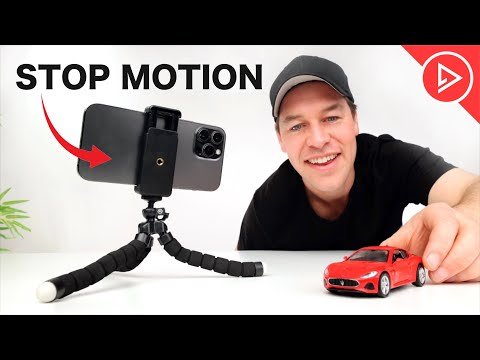
Phone Stop-Motion: Frame Rate, Onion Skinning and Rigging
Turn your smartphone into a miniature animation studio! Master camera lock-off, manual exposure, onion-skin alignment, optimal frame rates, and simple rig removal for smooth stop-motion.

Bonsai Basics: Nursery Stock, Akadama Soil & Repotting
Ready to start your first bonsai without accidentally killing it? Join TuTu for a beginner-friendly breakdown of garden center nursery stock selection, Akadama and pumice soil mixes, root pruning, and seasonal watering.

Bonsai Styling: Copper Wiring, Canopy Pads, Jin & Shari
Ready to transform healthy pre-bonsai stock into miniature ancient trees? Join TuTu for an advanced bonsai styling guide covering structural wiring, Shimpaku juniper canopy pads, and carving realistic Jin and Shari deadwood.
That’s this batch. More to explore another time.
This topic is AI-assisted and human-edited, and may contain errors or bias. If you own a featured video and do not want it displayed, please contact us.