
Family Photo Preservation: Archival Albums, Sleeves & Scanning
Don't let acidic glue and brittle plastic destroy your family history—here is how museum archivists safely house, handle, and digitize heirloom prints!
Topic guide
The Dusty Shoebox Trap: Why Old Albums Silently Ruin Prints
If you've recently inherited an attic trunk or shoebox overflowing with vintage black-and-white snapshots, school portraits, and fragile color prints from the 1970s, you know that instant rush of nostalgia. The collection turns to storage conditions and the ways they can affect paper photographs. Those popular vintage "magnetic" sticky albums with clear plastic peel-back sheets are packed with acidic cardboard and sticky chemical adhesives that gradually turn photos brittle, yellow, and permanently glued down.
Even loose prints tossed inside cardboard shoe boxes or plastic storage tubs face constant threats from fluctuating room temperature, humidity spikes, and off-gassing plastics made with polyvinyl chloride (PVC). If your photo sleeves smell like a brand-new shower curtain, that chemical scent is actually plasticizer breaking down your precious silver gelatin or dye-coupler prints. Real talk: before you touch a single vintage portrait or try to peel a stuck snapshot off an old album page, you need a gentle, non-destructive game plan.
The Archival Playbook: Acid-Free Housing and Safe Digital Surrogates
Museum conservators follow a simple golden rule: do no harm, and make every intervention reversible. That means swapping out cheap stationery binders for certified PAT (Photographic Activity Test) compliant materials—think virgin polyethylene, polypropylene, or Mylar polyester sleeves, paired with lignin-free, buffered clamshell storage boxes stored in climate-controlled living quarters rather than sweltering attics or damp basements.
Equally important is pairing physical preservation with high-resolution digital scanning. Creating a master reference copy on a clean flatbed scanner gives everyone in the family instant access to browse, zoom in on background details, and print display copies without exposing original heirloom prints to light damage or greasy fingerprints. TuTu brings together the collection’s explanations of proper storage housings, careful unstitching techniques, and durable backup routines.
🎬 Acidic Binders and Sticky Magnetic Albums
Why Magnetic Adhesive Albums Ruin Prints and How to Safely Remove Them
Rebecca Elder breaks down the hidden danger of vintage magnetic photo albums, explaining how acidic cardboard backing and deteriorating adhesive strips eat away at photographic emulsions over time. TuTu loves how practical this guide is—instead of forcefully ripping prints off brittle glue, she demonstrates gentle peeling techniques and explains why digitizing the full layout first preserves the original chronological context before any physical disassembly.
Expand reference video (YouTube)
Archival Enclosures: Protecting Fragile Heirlooms in Acid-Free Clamshells
When historic photo albums are too fragile or structurally ornate to dismantle, archival boxing is the safest route. This demonstration from Archival Methods walks through custom acid-free, lignin-free clamshell boxes and buffered tissue interleaving. It highlights why keeping intact albums inside a breathable, light-blocking enclosure in conditioned living spaces prevents the heat and humidity damage typical of attics and basements.
Expand reference video (YouTube)
Scrapbook Preservation: Managing Ephemera, Fasteners, and Brittle Pages
Melissa Barker (The Archive Lady) shows how family scrapbooks often combine photos with metal paperclips, rubber bands, and newspaper clippings that actively degrade surrounding prints. She demonstrates how to safely isolate acidic clippings with polyester sleeves without destroying the original page order. Her practical, step-by-step archivist tips give families clear boundaries on what can be safely stabilized at home.
Expand reference video (YouTube)
🎬 Archival Sleeves, Boxes, and Handling Discipline
Polypropylene Sleeves vs Clamshell Boxes: Vertical and Flat Storage Rules
TALAS provides an essential lesson in material science for photo storage, differentiating safe plastics (polyester, polyethylene, polypropylene) from destructive PVC sleeves that release plasticizers. The video shows when to file sleeved 4x6 prints vertically in archival index boxes versus when oversized or fragile mounted portraits must lie completely flat to avoid edge curling.
Expand reference video (YouTube)
Clean Hands, Cotton Gloves, and Proper Sorting Workstations
Curator Heather Potter walks viewers through the physical discipline of handling historic prints, explaining when clean, dry hands are actually safer than slippery cotton gloves for fragile paper mounts. She guides you through setting up an acid-free workspace, avoiding ballpoint pens on photo backs, and using soft 2B pencils on margin borders so family memories remain undamaged for future generations.
Expand reference video (YouTube)
Everyday Handling Habits: Avoiding Fingerprints, Tapes, and Harsh Cleaners
Amanda Littlecott delivers an engaging, no-nonsense checklist of common photo preservation blunders. From scotch tape repairs that leave yellow stains to rubber cement horror stories, she explains why irreversible DIY fixes are disastrous. TuTu appreciated her actionable rule: keep physical interventions strictly non-destructive, and focus your energy on proper archival housing.
Expand reference video (YouTube)
🎬 Reference Scanning and Multi-Location Digital Archives
Museum Workflow: Documenting Condition While Creating Reference Scans
This museum preservation walkthrough demonstrates how archivists handle prints during the digitizing process, ensuring glass scanner beds are clean and free of abrasive dust before capturing high-resolution reference files. It reinforces the key archival principle: scanning provides an accessible surrogate for everyday viewing while protecting the delicate physical original in dark storage.
Expand reference video (YouTube)
The 3-2-1 Backup Strategy: Offsite Copies and Cloud Redundancy
Genealogist Lisa Lisson bridges the physical and digital preservation divide by showing how to organize scanned files into a durable 3-2-1 backup system (three copies, two different media, one stored offsite or in cloud storage). She highlights the emotional peace of mind that comes from knowing family milestones are backed up against physical accidents without treating digital files as a replacement for careful physical print care.
Expand reference video (YouTube)
More Picks Ready for You
TuTu Dug Up 3 More Related Videos
+3
Keep exploring
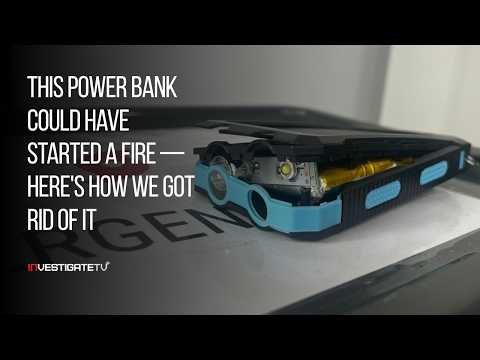
US Battery Recycling: Damaged Cells Need Different Care
Join TuTu to separate standard US battery recycling drop-offs from swollen or damaged lithium-ion cell protocols: taping terminals, isolating bloated packs in non-flammable containers, and checking county Household Hazardous Waste (HHW) rules.

Roommate Guests: Agree on Notice and Shared Space
Set clear roommate expectations for daytime visitors, overnight guest limits, advance notice, and shared kitchen or bathroom boundaries with TuTu.

Dried Beans: Soaking, Pressure Cooking and Safety
Compare dried bean preparation rules across varieties and appliances: overnight salt brining vs. no-soak pressure cooking, natural steam release to prevent burst skins, and why raw red kidney beans require full boiling before slow cooking.

Amtrak With Large Bags: Luggage Rules & Storage Guide
Wondering how to manage oversized suitcases on train journeys? Discover where large bags fit on Amtrak coach cars, route-by-route checked baggage rules, and Red Cap station transfer tips.
That’s this batch. More to explore another time.
This topic is AI-assisted and human-edited, and may contain errors or bias. If you own a featured video and do not want it displayed, please contact us.