
Cold-Weather Tire Pressure: Placard Specs and TPMS Guide
Did that horseshoe-shaped TPMS light suddenly pop up on your dashboard this chilly morning? Don't panic, and definitely don't inflate your tires to the number stamped on the sidewall.
Topic guide
Why That Orange Warning Light Wakes Up on Cold Mornings
As autumn turns into winter and ambient temperatures dip, millions of drivers encounter the same familiar surprise: you start your car in the morning, and the amber Tire Pressure Monitoring System (TPMS) symbol lights up on the gauge cluster. This sudden drop is not necessarily a sign of a puncture or a slow valve stem leak. Basic physics dictates that air contracts as it cools; for every 10°F (approx. 5.5°C) drop in outdoor temperature, tire pressure naturally decreases by roughly 1 to 2 PSI. When overnight temperatures drop 20 or 30 degrees, that cumulative pressure loss can easily dip below your vehicle's 25% underinflation threshold, triggering an alert.
Driving on underinflated tires compromises vehicle handling, lengthens stopping distances on slick autumn roads, accelerates irregular shoulder tread wear, and decreases fuel efficiency. TuTu brings together explanations of the seasonal drop and the pressure readings discussed in these videos.
The Door Jamb Placard: Your Only Authoritative Spec
One of the most widespread—and potentially dangerous—mistakes motorists make is reading the PSI number molded into the rubber sidewall of the tire itself. That molded sidewall figure indicates the maximum cold inflation pressure the tire carcass can withstand under maximum load, not the engineered driving specification for your car.
Your vehicle's true recommended cold tire pressure is calculated specifically for its chassis weight, weight distribution, suspension tuning, and handling characteristics. This official specification is printed on the yellow-and-white Tire and Loading Information placard located on the driver-side door jamb (B-pillar). Always check and adjust your tires in the morning before driving more than a mile, using a reliable digital pressure gauge to match the placard specification exactly.
🎬 Cold Temperatures and the Morning TPMS Warning Light
Tire Pressure in Cold: Why Your TPMS Lights Up [2025 Guide]
Breaks down the thermodynamic relationship between seasonal cold temperature drops and the 1-2 PSI loss rule that triggers dashboard alerts. Anticipate morning pressure drops during seasonal transitions and top up tires to the door placard spec before sub-freezing temperatures arrive.
Expand reference video (YouTube)
How does cold weather impact tire pressure?
Visualizes gas law principles and molecular contraction inside pneumatic tires, explaining why air isn't actually escaping. Recognize that normal thermal contraction is distinct from a puncture, but still requires physical air addition to maintain safe contact patches.
Expand reference video (YouTube)
Stop Inflating Your Tires to 32 PSI! Read the True Spec on Your Vehicle Placard
Explains why the universal 32 PSI rule is a dangerous myth and demonstrates how to locate and follow the exact cold inflation specification on your door placard to prevent premature tire wear and safety hazards.
Expand reference video (YouTube)
🎬 Reading the Vehicle Door Jamb Placard vs Sidewall Max
Tire Placard - Tire and Loading Information
Provides an exact walkthrough of the federally mandated B-pillar tire and loading information decal, explaining axle ratings. Look on the driver's side door jamb for the black, white, and yellow placard detailing exact front and rear cold PSI ratings.
Expand reference video (YouTube)
Correct Car Tire Air Pressure PSI
Clarifies the crucial safety distinction between tire sidewall maximum burst pressure and the manufacturer's recommended operating pressure. Never inflate tires to the PSI molded into the sidewall, as over-inflation causes dangerous center-tread wear and increases braking distances.
Expand reference video (YouTube)
How to Find the PERFECT Tire Pressure (Hint: It's Not 32 PSI)
Debunks the common myth of a universal 32 PSI rule across all passenger vehicles, highlighting how contact patch geometry changes with weight. Always verify your specific model's OEM door label; modern SUVs, sedans, and EVs often require anywhere from 33 to 42 PSI.
Expand reference video (YouTube)
🎬 Accurate Cold Pressure Measurement and Routine
How to Use a Tire Pressure Gauge (Beginner's Guide)
Step-by-step practical demonstration on getting a clean, hiss-free seal on the valve stem with pencil, dial, and digital pressure gauges. Press the gauge straight and firmly onto the valve stem; if you hear air hissing, realign the chuck angle to ensure an accurate reading.
Expand reference video (YouTube)
How to Check Tire Pressure + 5 Signs Your Tires Need Attention
Teaches drivers how to establish a consistent monthly cold-measurement routine before friction and road contact heat up the tire carcass. Measure tire pressure only when the vehicle has been parked for at least 3 hours or driven less than 1 mile at moderate speed.
Expand reference video (YouTube)
More Picks Ready for You
TuTu Dug Up 3 More Related Videos
+3
Keep exploring

Roof-Box Loading: Bars, Weight Limits and Clearance
A comprehensive road-trip guide breaking down vehicle dynamic roof ratings, crossbar weight capacities, the 50/25/25 packing rule, and measuring total clearance to avoid low-ceiling garage strikes.

US National Parks in Winter: Road Closures, Tire Chains & Shuttle Rules
Winter US national park travel through seasonal road closures, tire-chain requirements and shuttle changes. The collection focuses on NPS alerts, vehicle preparation and checking how access differs between parks.
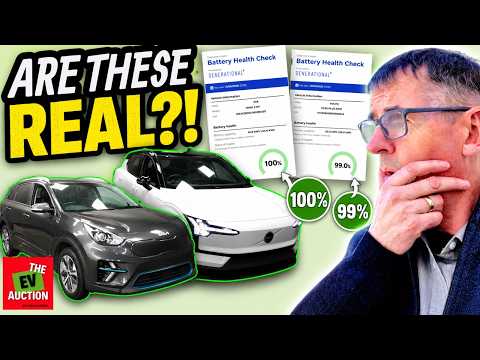
Used EV Batteries: What a Health Report Cannot Tell You
A used EV battery report is a starting point for questions about capacity estimates, cell voltage differences, charging history and warranty terms. The collection compares diagnostic information beyond a single State of Health percentage.

Hand Waxing & Carnauba Layering: Foam Pad & Buffing Guide
Seven hand-waxing tutorials covering surface prep, foam-pad loading, thin application, the finger-swipe cure test, and sealant–carnauba layering. Compare paste, cream and spray workflows before choosing a routine.
That’s this batch. More to explore another time.
This topic is AI-assisted and human-edited, and may contain errors or bias. If you own a featured video and do not want it displayed, please contact us.