
EV Winter Range Reality: Battery Preconditioning Guide
Breath frosting on the windshield and your estimated miles dropping faster than usual? TuTu is here with real-world tests to demystify winter EV battery physics and preconditioning! 👀⚡
Topic guide
Where Did 30% of My Miles Go? Opening Blindspot Quiz
When sub-zero weather rolls in, every EV driver notices the same shocking sight on their digital cluster: an estimated 250-mile full charge suddenly shows barely 175 miles before you've even backed out of the driveway. TuTu has a quick opening quiz for you: do you think cold winter air actually "drains" or deletes your battery's stored electricity, or is something else happening to the chemistry under your floorboards? 👀💡
Here is the fascinating scientific reality: your battery hasn't leaked energy into the freezing snow! Cold temperatures drastically slow down the movement of lithium ions through liquid electrolyte, spiking internal resistance. At the same time, because electric motors produce very little waste heat compared to combustion engines, your car has to burn valuable battery kilowatt-hours just to warm the cabin and defrost your windows. Understanding this key distinction is the secret to getting your range back without panicking on the highway! ❄️🚗
Mastering Cold Defense: Heat Pumps, Yo-Yoing & Scheduled Departures
TuTu brings together videos about winter EV driving, with climate systems, scheduled departures and charging as viewing angles:
First, understand your climate system: vehicles equipped with modern heat pumps can be up to three times more efficient than older resistive PTC ceramic heaters in temperatures above 15°F (-10°C). Setting your seat heaters and heated steering wheel can keep you toasty while letting you dial back the cabin blower fan by several degrees, saving substantial range.
Second, unlock the magic of Scheduled Departure: preheating your battery and cabin while your car is still plugged into a Level 2 home wall charger uses grid power rather than precious onboard battery energy. You step into a warm car with an operating-temperature battery ready for regenerative braking from mile one.
Third, conquer cold DC fast charging: pulling into a 350kW charger with an ice-cold battery can limit your charging speed to a sluggish 30kW. Setting your navigation to the charger triggers automated preconditioning, warming the pack so you ramp straight to top speeds. Dive into these 7 curated creator breakdowns and 4 backup guides to master winter EV driving! ✨🔌
🎬 Cold-Weather Battery Physics & Range Loss
Cold Weather Battery Conditioning: Losing Less Range in Freezing Conditions
Kyle Connor demonstrates side-by-side range tests comparing a cold-soaked pack against a preconditioned battery, revealing how departure timing preserves up to 15% more driving range in freezing highway conditions.
Expand reference video (YouTube)
The Truth About Tesla Winter Range Loss in Sub-Zero Commutes
Breaks down real-world Tesla Model 3 and Model Y telemetry during sub-zero Iowa winter commutes, showing exactly how short trips and repeated cabin reheating consume more power than continuous highway cruising.
Expand reference video (YouTube)
🎬 Engineering Explanations & Heat Pump Efficiency
Why EVs Lose 30% Range in Winter: Electrochemical Engineering Explained
A clear mechanical explanation of why internal cell resistance climbs as temperatures plunge, illustrating the physics of lithium plating risks and why the battery management system limits regenerative braking.
Expand reference video (YouTube)
PTC Ceramic Heaters vs Heat Pumps: Winter EV Energy Consumption Tested
Compares coefficient of performance (COP) metrics between traditional resistive PTC cabin heating elements and multi-source heat pump circuits, explaining where efficiency peaks and where supplemental heaters engage.
Expand reference video (YouTube)
🎬 Preconditioning Protocols & DC Fast Charging
Hyundai Preconditioning Benchmark: Cold Weather DC Fast Charging Tested
Walks through Hyundai and Kia cold-weather battery preheating updates, documenting the massive jump in DC fast-charging curve speeds once the battery pack reaches its optimal thermal charging window.
Expand reference video (YouTube)
Avoid Slow Cold Charging: The Yo-Yo Acceleration Heating Technique
Demonstrates emergency techniques for vehicles without manual preconditioning buttons, showing how controlled regenerative deceleration generates internal cell heat to unlock faster DC charge rates.
Expand reference video (YouTube)
Setting Up Scheduled Departure and Battery Preconditioning via App
A practical step-by-step tutorial on scheduling departure times via mobile apps and dashboard menus, ensuring both cabin comfort and battery thermal conditioning complete while connected to grid power.
Expand reference video (YouTube)
More Picks Ready for You
TuTu Dug Up 4 More Related Videos
+4
Tesla’s New Charging Schedule (You’re Doing This Wrong!!)
Tesla Battery Preconditioning? What is it? How does it work? When to Use It? Is It Necessary?
Preconditioning the battery. Why does it matter? And a few thoughts on charging to 80%
Turning up the Heat - Faster Charging with ID.4 Battery Preheating
Keep exploring

Roof-Box Loading: Bars, Weight Limits and Clearance
A comprehensive road-trip guide breaking down vehicle dynamic roof ratings, crossbar weight capacities, the 50/25/25 packing rule, and measuring total clearance to avoid low-ceiling garage strikes.

US National Parks in Winter: Road Closures, Tire Chains & Shuttle Rules
Winter US national park travel through seasonal road closures, tire-chain requirements and shuttle changes. The collection focuses on NPS alerts, vehicle preparation and checking how access differs between parks.
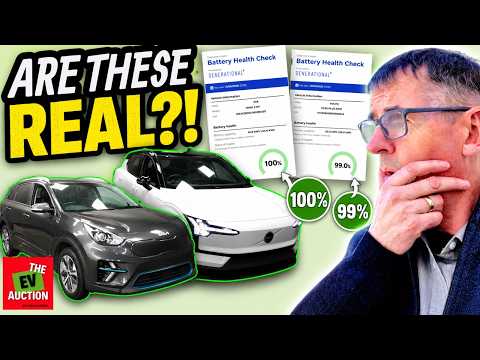
Used EV Batteries: What a Health Report Cannot Tell You
A used EV battery report is a starting point for questions about capacity estimates, cell voltage differences, charging history and warranty terms. The collection compares diagnostic information beyond a single State of Health percentage.

Cold-Weather Tire Pressure: Placard Specs and TPMS Guide
Cold-weather TPMS warnings and vehicle tire-pressure placards are the focus of this collection. TuTu gathers explanations of temperature changes, cold inflation readings, and the difference between placard and tire-sidewall figures.
That’s this batch. More to explore another time.
This topic is AI-assisted and human-edited, and may contain errors or bias. If you own a featured video and do not want it displayed, please contact us.