
EV Road Trip Guide: Route Planning and Fast Charging Tips
Worried about getting stranded with a dead battery on the highway? Master EV route planning, the 80% charging curve rule, and preconditioning secrets.
Topic guide
Embarking on a long-distance road trip in an electric vehicle once felt like a daunting expedition reserved for adventurous early adopters. Today, expanding DC fast-charging corridors and smart in-vehicle navigation make cross-country road tripping more accessible than ever. Yet, many first-time EV drivers still suffer from intense range anxiety, fearing broken charging pedestals, unexpected detours, or hours wasted waiting at highway service plazas.
The secret to effortless EV road trips lies in shifting your mindset from "filling up a gas tank to 100%" to managing the DC fast-charging curve. Lithium-ion batteries accept power rapidly when below 50% state-of-charge, but charging speeds taper off dramatically once you pass 80%. By planning short, frequent 15-to-20-minute charging stops at optimal battery percentages—paired with dedicated apps like A Better Routeplanner (ABRP) and PlugShare—you can travel faster, spend less, and eliminate highway charging stress completely.
3 Golden Rules for Efficient Highway EV Road Trips
Essential principles to dramatically cut down travel time:
- Never Charge Past 80% at DC Fast Chargers:The time it takes to charge from 80% to 100% is often longer than going from 10% to 80%. Unplug once your charging curve drops and proceed to the next high-speed stall along your corridor.
- Always Precondition Your Battery Before Arrival:Cold or unconditioned batteries cannot accept peak kilowatt speeds. Route directly to the charger using in-car navigation so the thermal management system warms or cools the battery pack to ideal temperature before plugging in.
- Verify Stall Reliability on PlugShare Before Committing:Never rely solely on one charging network. Check recent user check-ins on PlugShare to confirm that stalls are delivering rated power and not offline for maintenance.
Speed vs. Efficiency: Highway Aerodynamics
- Mind the 70 mph Aerodynamic Drag Barrier:Wind resistance increases quadratically with speed. Cruising at 70 mph instead of 80 mph can extend your usable range by 15% to 20%, often eliminating an entire charging stop.
- Target 10% to 15% Arrival Buffer:Avoid arriving with 30% battery remaining (which slows your initial charging rate) or cutting it below 5% (which leaves zero margin for headwind or winter temperature drops).
🎬 Route Planning and Charging Networks: ABRP, PlugShare, and Elevation Factors
First-Timer EV Road Trip Essentials: Navigating Fast Chargers and Avoiding Mistakes
Clear breakdown of the common pitfalls new EV road-trippers make, from cold battery throttling to missing payment RFID cards.
Expand reference video (YouTube)
Stress-Free Highway Route Building: Elevation, Weather Buffers, and Network Redundancy
Expert guidance on factoring steep mountain passes and adverse headwind conditions into your planned arrival state-of-charge.
Expand reference video (YouTube)
Family EV Travel Logistics: Leveraging PlugShare User Reviews and Amenities
Step-by-step walkthrough showing how to pick chargers located near clean restrooms, dining options, and shaded picnic areas.
Expand reference video (YouTube)
🎬 DC Fast Charging Mechanics: The 80% Drop-Off Rule and Battery Preconditioning
The Science of the Charging Curve: Why Charging to 100% Wastes Valuable Hours
Demonstrates how hopping between chargers in the 10% to 65% battery sweet spot cuts total trip duration by over an hour.
Expand reference video (YouTube)
5 Rapid EV Travel Tips: Multiple Network Apps and Offline Maps Shorts
Quick-fire tips on downloading offline maps and registering accounts across charging networks before hitting dead zones.
Expand reference video (YouTube)
Supercharger Preconditioning Secret: Automatic Battery Temperature Prep Shorts
Visual demonstration showing the dramatic difference in charging ramp speed when preconditioning is properly engaged.
Expand reference video (YouTube)
TuTu is still digging…
Stay curious and keep exploring more practical insights with TuTu! ✨
Keep exploring

Roof-Box Loading: Bars, Weight Limits and Clearance
A comprehensive road-trip guide breaking down vehicle dynamic roof ratings, crossbar weight capacities, the 50/25/25 packing rule, and measuring total clearance to avoid low-ceiling garage strikes.

US National Parks in Winter: Road Closures, Tire Chains & Shuttle Rules
Winter US national park travel through seasonal road closures, tire-chain requirements and shuttle changes. The collection focuses on NPS alerts, vehicle preparation and checking how access differs between parks.
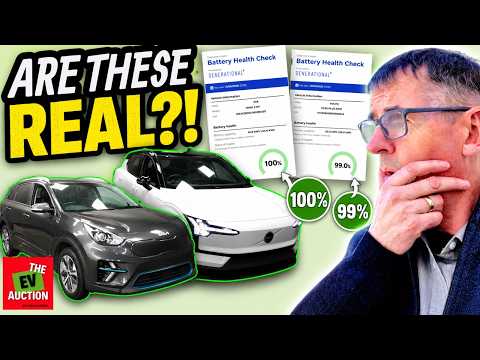
Used EV Batteries: What a Health Report Cannot Tell You
A used EV battery report is a starting point for questions about capacity estimates, cell voltage differences, charging history and warranty terms. The collection compares diagnostic information beyond a single State of Health percentage.

Cold-Weather Tire Pressure: Placard Specs and TPMS Guide
Cold-weather TPMS warnings and vehicle tire-pressure placards are the focus of this collection. TuTu gathers explanations of temperature changes, cold inflation readings, and the difference between placard and tire-sidewall figures.
That’s this batch. More to explore another time.
This topic is AI-assisted and human-edited, and may contain errors or bias. If you own a featured video and do not want it displayed, please contact us.