
Bikes & Trains: Building Seamless Multi-Modal Commutes
Can cities actually make car-free commuting feel effortless? Here is how pairing two-wheelers with regional rail creates the fastest, cleanest urban transit network on the planet.
Topic guide
Why Trains and Bikes Form the Ultimate Commuter Tag-Team
Ever noticed how even the best passenger rail networks run into the same awkward barrier? Trains are incredible at moving thousands of people across regional corridors at high speeds, but nobody actually lives inside a station concourse. The moment you step onto the platform, you run straight into the classic first-mile and last-mile puzzle. Walking caps your practical radius at about ten minutes, while running empty feeder buses through suburban cul-de-sacs gets expensive fast. That is where bicycles step in—not as a niche hobby or an athletic workout, but as high-efficiency transit extenders.
When a city links cycling networks directly into train hubs, the catchment zone of every single stop multiplies tenfold. A bike easily turns a sluggish twenty-minute walk into a breezy five-minute pedal without burning fuel, waiting for a transfer, or getting trapped in gridlock. But getting people to swap car keys for a bike-and-train commute is not about lecturing folks on emissions; it is purely about convenience. If parking a bike at the station feels sketchy, or lugging it onto the train is forbidden during rush hour, the whole system breaks down. The cities getting this right treat the bicycle not as luggage, but as an essential part of the railway ecosystem itself.
Designing Transfers: From Underground Vaults to Shared Wheels
Take a look across the Netherlands, Japan, and Denmark, and you quickly see that seamless transit is an engineering discipline. In Utrecht, the central station boasts a multi-storey underground garage holding more than 12,000 bicycles with digital stall finders and direct indoor ramps straight to the train platforms. Amsterdam literally excavated massive parking vaults beneath canal waters to clear cluttered pavements. Meanwhile in Tokyo, where space around rail lines is at an absolute premium, robotic Eco-Cycle silos automatically swallow a bicycle at street level and stash it deep underground in eleven seconds flat.
Yet the smartest innovation might be solving the other end of the journey. What happens when you arrive at your destination city? Dutch Railways cracked this with the OV-fiets: thousands of sturdy, identical rental bikes stationed at almost every depot, unlocked with a standard transit pass for a couple of euros a day. The destination-side rental system is another part of the transfer process to compare. In this collection, TuTu curates the most insightful field tours, design breakdowns, and commuter perspectives showing how pairing rails with pedals is quietly reshaping urban mobility across the globe.
🎬 Multi-Modal Transit Synergy
How Bicycles Give Rail Transit Unmatched Superpowers
Reece explains the micro-mobility geometry that solves the first-mile and last-mile transit puzzle effortlessly.
Expand reference video (YouTube)
Driebergen-Zeist: The Gold Standard of Dutch Multi-Modal Stations
A deep dive into how grade separation, bus bays, and thousands of cycle spaces create a frictionless transfer hub.
Expand reference video (YouTube)
🎬 Station Parking & Engineering
15 Years of Daily Bike-and-Train Commuting in the Netherlands
Mark Wagenbuur shares first-hand daily routines, timing, and real costs across a 15-year combined rail-bike commute.
Expand reference video (YouTube)
Under the Water: Amsterdam Centraal's Engineering Marvel
Step inside the futuristic submerged garage built directly beneath canal waters right outside Amsterdam Centraal.
Expand reference video (YouTube)
Tokyo's Robotic Eco-Cycle: Automated Underground Vaults
See how Tokyo uses vertical robotic elevators to park hundreds of commuter bicycles beneath crowded train plazas.
Expand reference video (YouTube)
🎬 Shared Fleets & Last-Mile Mobility
OV-fiets Explained: The Secret Weapon of Dutch Railways
How Dutch Railways (NS) solved the destination end of every rail journey with shared station bicycles.
Expand reference video (YouTube)
More Picks Ready for You
TuTu Dug Up 3 More Related Videos
+3
Keep exploring
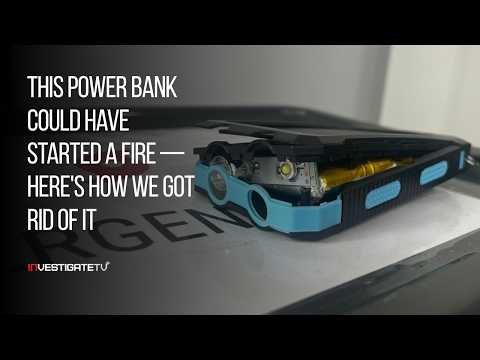
US Battery Recycling: Damaged Cells Need Different Care
Join TuTu to separate standard US battery recycling drop-offs from swollen or damaged lithium-ion cell protocols: taping terminals, isolating bloated packs in non-flammable containers, and checking county Household Hazardous Waste (HHW) rules.

Roommate Guests: Agree on Notice and Shared Space
Set clear roommate expectations for daytime visitors, overnight guest limits, advance notice, and shared kitchen or bathroom boundaries with TuTu.

Dried Beans: Soaking, Pressure Cooking and Safety
Compare dried bean preparation rules across varieties and appliances: overnight salt brining vs. no-soak pressure cooking, natural steam release to prevent burst skins, and why raw red kidney beans require full boiling before slow cooking.

Amtrak With Large Bags: Luggage Rules & Storage Guide
Wondering how to manage oversized suitcases on train journeys? Discover where large bags fit on Amtrak coach cars, route-by-route checked baggage rules, and Red Cap station transfer tips.
That’s this batch. More to explore another time.
This topic is AI-assisted and human-edited, and may contain errors or bias. If you own a featured video and do not want it displayed, please contact us.