
Stand-Up Comedy Guide: Joke Writing, Timing & Crowd Work
Stand-up comedy isn't luck or charisma—it is a precise craft of narrative engineering, syllable economy, and tension release. Learn how legends build bulletproof material.
Topic guide
The Invisible Architecture: How Great Jokes Are Engineered
To the casual observer sitting in a comedy club with a two-drink minimum, stand-up comedy looks like casual, effortless conversation. A comic strolls onto the stage, grabs the microphone, and begins chatting about their day as if recounting an amusing mishap to close friends at a bar. But beneath that illusion of spontaneity lies one of the most demanding, mathematically precise disciplines in the performing arts. As Jerry Seinfeld famously demonstrated when deconstructing his iconic Pop-Tart routine, a truly refined joke functions like a piece of songwriting or a miniature jigsaw puzzle. Every syllable counts, every adjective must serve a concrete purpose, and the rhythm between the setup and the punchline must be tuned to within a fraction of a second.
At its fundamental mechanics, comedy relies on tension and cognitive subversion. The setup establishes a baseline narrative that leads the audience’s imagination down a predictable cognitive path, constructing expectations and emotional investment. The punchline does not simply surprise; according to master teachers like Greg Dean, it reveals a second, hidden narrative that was coexisting in plain sight all along. When the audience’s brain resolves that sudden incongruity, the accumulated tension discharges as involuntary laughter.
From Open Mics to The Tight Five: Rhythm, Crowd Work, and Stage Presence
Transforming clever observational thoughts into stage-ready material requires navigating the grueling crucible of open mics. Writing a joke on a blank Word document is merely step zero; comedy is a performance language that can only be honed through the real-time feedback loop of live stage time. Developing a classic "tight five"—a five-minute showcase set capable of generating at least three laughs per minute—demands ruthless editing, transcribing sets, and testing punchlines across dozens of diverse crowds.
Moreover, modern stand-up has witnessed a profound evolution in stagecraft. While foundational icons like Bill Burr and Anthony Jeselnik showcase the power of distinctive comedic personas and rhythmic pauses, modern performers must also master the fluid art of crowd work. Engaging the front row is no longer just a defensive mechanism against hecklers; when handled with empathy and sharp comedic instinct, conversational riffing generates organic high-stakes tension and serves as a seamless runway into tightly polished written bits.
🎬 The Anatomy of a Joke: Setup, Punchline & Incongruity
Jerry Seinfeld on Joke Architecture: Word Economy & Ending on the Laugh
Comedy legend Jerry Seinfeld dissects his Pop-Tart bit, explaining how counting syllables like songwriting and cutting unnecessary words turns a premise into razor-sharp stand-up.
Expand reference video (YouTube)
Casually Explained: Subverting Expectations & The Power of Specificity
Breaks down the core formula of humor: establishing an audience premise, subverting it with precision, adding sensory specificity, and committing unreservedly to the delivery.
Expand reference video (YouTube)
The Anatomy of Laughs: Setup, Punch, Tag & Greg Dean's Two Stories Rule
Dissects the mechanics of setups, punchlines, and tags using Anthony Jeselnik and Hannibal Buress, illustrating Greg Dean's rule of two conflicting narratives coexisting.
Expand reference video (YouTube)
🎬 Stagecraft: Timing, Crowd Work & The Tight Five
Philosophy of Comedy: Tension, Relief & Mastering the Pause
Explores the psychological foundation of comedy as tension and release, demonstrating how physical gestures, tone modulation, and deliberate silence command the room.
Expand reference video (YouTube)
The Rise of Crowd Work: Audience Psychology, Risk & Organic Bridges
A working comic deconstructs how crowd work creates natural high-stakes tension, lets the audience provide the setup, and serves as an engaging bridge into prepared material.
Expand reference video (YouTube)
Building a Bulletproof Tight Five: Laugh Density & Set Visualization
Outlines the 5-step roadmap to building a tight 5-minute set: targeting 3 laughs per minute, transcribing every word, and structuring your strongest jokes at the open and close.
Expand reference video (YouTube)
Bill Burr's On-Stage Riffing: Analogy Doubling & Physical Act-Outs
Analyzes Bill Burr's stagecraft—abandoning rigid scripts in favor of bullet-point prompts, extreme analogy layering, and physically acting out every comedic scenario.
Expand reference video (YouTube)
More Picks Ready for You
TuTu Dug Up 8 More Related Videos
+8
Casually Explained: Stand-up Comedy
Stand Up Comedy Tutorial - Crowd Work
Every Comic Needs to Know These Crowd Work Tips
How to Engage Any Audience (crowd work stand up comedy)
🎤3 Types of Joke Setups - How to Write Jokes - Greg Dean Stand Up Comedy Classes #comedians #joke
Kevin Hart explains the difference between joke telling and storytelling. #kevinhart
3 Stand Up Comedy Tips For Audience Connection.
🎤Joke Structure -One Thing Two Meanings -Stand Up Comedy Class #standupcomedy #comedy #jokewriting
Keep exploring

Phantom Blade Zero Guide: Sha-Chi Parry, Weapons & Tips
Phantom Blade Zero launches with an 88 Metacritic score! Join TuTu for launch reviews (GameSpot, gameranx, Fextralife), why you shouldn't play it like a slow Soulslike, Sha-Chi parry mechanics, 30+ weapons, and the 66-day countdown.

Baldur's Gate 3: Why Concentration Keeps Breaking
Cast Haste or Spirit Guardians only to watch it vanish seconds later? 18-year-old editor TuTu breaks down how concentration checks, damage DCs, prone conditions, and accidental overwrites actually work in BG3.
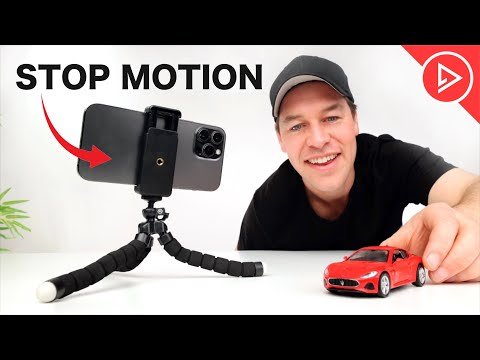
Phone Stop-Motion: Frame Rate, Onion Skinning and Rigging
Turn your smartphone into a miniature animation studio! Master camera lock-off, manual exposure, onion-skin alignment, optimal frame rates, and simple rig removal for smooth stop-motion.

Movie Lighting With Desk Lamps: Shape the Shadows
Turn ordinary desk lamps into cinematic movie lighting. Learn how to shape dramatic shadows, build DIY diffusers, and light miniature sets safely without spending big on studio gear.
That’s this batch. More to explore another time.
This topic is AI-assisted and human-edited, and may contain errors or bias. If you own a featured video and do not want it displayed, please contact us.