
Beginner Car Maintenance: Flat Tires, Jump Starts & Fluids
Dreading a flat tire or dead battery on the road? Master safe jack points, foolproof jumper cable sequences, and engine fluid checks with TuTu! 🚗🔧
Topic guide
Roadside Panic to Self-Reliance: Why Basic Car Care Is a Superpower
There is a distinct sinking feeling every driver dreads: hearing the rhythmic thump-thump-thump of a flat tire on a deserted backroad, or turning the ignition key on a freezing morning only to hear a weak click-click-click from a dead battery. For new car owners, college commuters, and young professionals, automotive breakdowns often trigger intense panic and costly emergency tow truck calls. Yet professional mechanics agree on an empowering truth: over 80% of common roadside emergencies require neither specialized mechanic certifications nor expensive diagnostic computers. They require basic mechanical literacy and calm execution. 🚗💨
Before we pop the hood, here is a quick blindspot quiz from TuTu: 💡 When connecting jumper cables to revive a dead battery, almost everyone clamps red to positive and black to negative on both cars. But did you know that clamping the black negative cable directly to the dead battery's negative terminal is a dangerous mistake? Dead lead-acid batteries emit flammable hydrogen gas, and connecting the final clamp can create a spark that triggers a battery explosion! Where should that final black clamp actually go? It belongs on an unpainted metal bracket on the engine block, safely away from the battery. Watch ChrisFix demonstrate the life-saving sequence in video 3 at 02:40! 👀🔋
The Three Essential Pillars: Jacking Safety, Jumper Cables, and Fluid Checks
Conquering routine vehicle maintenance comes down to three foundational rituals.
First, master safe flat-tire replacement. Never jack up a vehicle on soft dirt or a slope; always engage the emergency brake and place wheel chocks. Loosen the lug nuts slightly while the tire is still touching the ground, position your scissor jack squarely on the factory pinch weld notch, and always tighten lug nuts in a diagonal star pattern to prevent warped brake rotors.
Second, internalize the dead battery protocol. Remember the universal mnemonic: "Red to Dead, Red to Donor, Black to Donor, Metal Ground to Dead." Let the running donor car charge the depleted battery for three to five minutes before attempting to crank, protecting sensitive vehicle computers from voltage spikes.
Third, establish a two-minute monthly fluid inspection routine. Park on level ground, pull the engine oil dipstick (wipe it clean first, reinsert, then read between the min/max dots), check the transparent coolant expansion tank, and top off washer fluid. Never twist open a hot radiator cap under pressure! TuTu has collected automotive videos explaining maintenance procedures and checks. 🛠️✨
🎬 Flat Tire Mastery: Jack Placement, Star Pattern & Spare Tire Safety
ChrisFix: How to Change a Flat Tire Safely — Jack Points & Lug Nut Star Pattern
Legendary DIY mechanic ChrisFix demonstrates where to locate chassis pinch-weld jack points, how to break lug nuts loose safely on the ground, and how to torque wheels in a star sequence.
Expand reference video (YouTube)
ChrisFix: Emergency Tire Repair — Finding Leaks, Plugs & Spare Tire Pressure
Walks beginners through diagnosing tread punctures using soapy water, installing an emergency tire plug, and verifying that your trunk's compact donut spare has sufficient PSI before driving.
Expand reference video (YouTube)
🎬 Battery Jump-Starting: The Safe 4-Step Cable Connection Sequence
ChrisFix: How to Jump-Start a Dead Battery Without Damaging Alternators
Over 15 million views. Deconstructs the exact four-step jumper cable connection protocol, emphasizing why grounding the final negative clamp to bare engine metal prevents battery sparks.
Expand reference video (YouTube)
Dad Advice From Bo: The 4-Step Jumper Cable Sequence (Red to Red, Black to Ground)
A comforting, concise 58-second breakdown illustrating the foolproof clamp order (Dead Positive, Good Positive, Good Negative, Dead Ground) designed for high-stress emergency situations.
Expand reference video (YouTube)
🎬 Vital Engine Fluids: Reading Dipsticks, Coolant Levels & Brake Fluid Checks
ChrisFix: The Essential Fluids Guide — Engine Oil, Transmission & Brake Fluid
A masterclass visual tour identifying every under-hood reservoir, detailing color and consistency checks for engine oil, transmission fluid, power steering, and DOT brake fluid.
Expand reference video (YouTube)
ChrisFix: Radiator Coolant vs Expansion Tank — Never Open Hot Caps
Explains how to safely inspect radiator expansion tanks without scalding, test antifreeze freeze/boil points with an inexpensive hydrometer, and recognize early signs of head gasket leaks.
Expand reference video (YouTube)
How-to Guy: Reading the Oil Dipstick in 20 Seconds (Wipe, Dip, Check) #Shorts
Quickly reinforces the gold-standard dipstick reading technique—pull, wipe clean, fully re-insert, and inspect oil level and clarity between hatch marks on a level parking surface.
Expand reference video (YouTube)
TuTu is still digging…
Always remember the star pattern for lug nuts and clamp black jumper cables to an unpainted engine ground! When was the last time you checked your spare tire's air pressure? 🛞💡
Keep exploring

Roof-Box Loading: Bars, Weight Limits and Clearance
A comprehensive road-trip guide breaking down vehicle dynamic roof ratings, crossbar weight capacities, the 50/25/25 packing rule, and measuring total clearance to avoid low-ceiling garage strikes.

US National Parks in Winter: Road Closures, Tire Chains & Shuttle Rules
Winter US national park travel through seasonal road closures, tire-chain requirements and shuttle changes. The collection focuses on NPS alerts, vehicle preparation and checking how access differs between parks.
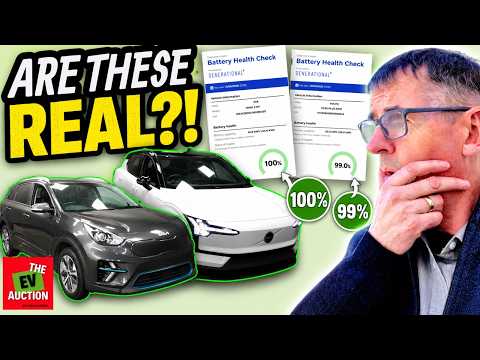
Used EV Batteries: What a Health Report Cannot Tell You
A used EV battery report is a starting point for questions about capacity estimates, cell voltage differences, charging history and warranty terms. The collection compares diagnostic information beyond a single State of Health percentage.

Cold-Weather Tire Pressure: Placard Specs and TPMS Guide
Cold-weather TPMS warnings and vehicle tire-pressure placards are the focus of this collection. TuTu gathers explanations of temperature changes, cold inflation readings, and the difference between placard and tire-sidewall figures.
That’s this batch. More to explore another time.
This topic is AI-assisted and human-edited, and may contain errors or bias. If you own a featured video and do not want it displayed, please contact us.