
Kettlebell Beginner Guide: Swings, Turkish Get-Up & Fat Loss
Build bulletproof core strength and incinerate fat with just one cast-iron weight! Master the two most potent kettlebell movements with flawless technique.
Topic guide
If you could only choose a single piece of exercise equipment to build explosive athletic power, forge ironclad core stability, and torch body fat in a tiny living room, nothing rivals the Russian cast-iron kettlebell. Unlike standard barbells or dumbbells, the kettlebell's displaced center of mass forces your stabilizing stabilizer muscles to work overtime throughout every inch of movement.
Yet many beginners make the dangerous mistake of treating the kettlebell swing like a front shoulder raise or a deep knee squat, placing enormous shearing stress on the lower back. The secret to unlocking the kettlebell's transformative benefits lies in mastering two foundational pillars: the explosive posterior-chain hip hinge (The Swing) and the slow, grinding full-body stabilizer (The Turkish Get-Up).
3 Golden Rules of Hardstyle Kettlebell Training
Before picking up your first bell, engrave these three non-negotiable principles:
- The Swing is a Hinge, Never a Squat: Your hips travel backward while your shins remain nearly vertical. The kettlebell should float up purely from the explosive snap of your glutes and hamstrings, not from pulling with your arms or lifting with your shoulders.
- Pack Your Shoulders Down and Back: Engage your lats as if you are breaking a stick across your chest. This locks your ribcage to your pelvis, creating a rigid spine that protects against lumbar flexion during high-velocity swings.
- Look at the Bell Throughout the Turkish Get-Up: During every transition of the get-up—from the roll onto the elbow to the bridge and the standing lunge—your gaze must remain locked onto the knuckle of the loaded hand to maintain a vertical stacked skeletal column.
How to Program the "Simple & Sinister" Baseline
- Starting Weight Selection: Most men should start with a 16 kg (35 lbs) bell, while women typically thrive starting with an 8 kg to 12 kg (18–26 lbs) bell.
- Daily Session Structure: Warm up with 5 minutes of hip mobility, perform 100 one-hand or two-hand swings in sets of 10 on the minute, and finish with 5 slow, deliberate Turkish Get-Ups per side (10 total).
🎬 The Hip Hinge & Hardstyle Swing Mechanics
The StrongFirst Standard: Perfecting the Two-Handed Hip Hinge
The gold standard instruction from Pavel Tsatsouline’s organization, teaching the hike-pass, hip snap, and plank finish.
Expand reference video (YouTube)
Doctor of Physical Therapy Breakdown: Protecting Your Spine Shorts
Over 1.7 million views; Dr. Aaron Horschig diagnoses the common squatting error and demonstrates the wall-tap hinge drill.
Expand reference video (YouTube)
12-Minute High-Intensity EMOM: Full-Body Calorie Burn Shorts
Viewed nearly 4 million times; demonstrates how combining swings, clean and press, and squats burns maximal fat in minimal time.
Expand reference video (YouTube)
The 5 Essential Movements: Swing, Clean, Press, Squat, and Snatch Shorts
Rapid demonstration of the five fundamental kettlebell lifts every home lifter needs in their training repertoire.
Expand reference video (YouTube)
🎬 Shoulder Stability, Turkish Get-Up & Full-Body Workouts
Mastering the Get-Up: Step-by-Step Anatomical Transition Guide
Over 2.1 million views; dissects the roll to elbow, hand transition, high bridge, and sweep with clinical precision.
Expand reference video (YouTube)
Kettlebell Specialist Tutorial: Bulletproofing the Rotator Cuff
Onnit kettlebell coach Eric Leija breaks down common wrist fatigue issues and explains how packing the lat protects shoulder joints.
Expand reference video (YouTube)
Common Mistakes & Fixes: Breathing and Leg Placement in the Get-Up
Practical troubleshooting guide clarifying shoe checks, knee protection, and maintaining thoracic extension under load.
Expand reference video (YouTube)
TuTu is still digging…
Stay curious and keep exploring more practical insights with TuTu! ✨
Keep exploring
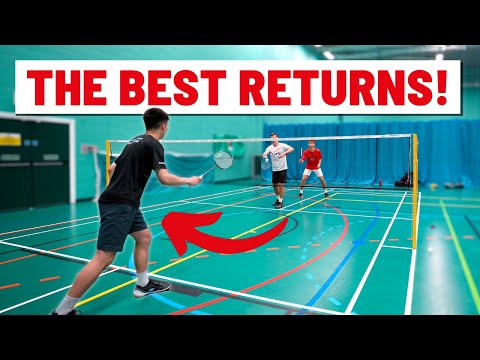
Badminton Doubles: Serve Returns and Court Coverage
A tactical guide breaking down high-percentage doubles serve returns, reading server habits, and seamless court rotation between front-and-back attack and side-by-side defense.

Indoor Cycling Rollers: Mounting, Balance and Space
Indoor cycling rollers through beginner setup, mounting, balance and room positioning. The collection compares doorway support, cadence and progression drills, with attention to how rollers differ from fixed trainers.

Autumn Rain Layers: Shell Venting and Damp Clothing Guide
Learn how to regulate body temperature and moisture during wet autumn hikes. Discover practical pit-zip venting techniques, base-layer moisture transfer, and damp gear drying strategies.

Orienteering Maps: Contours, Bearings and Smart Route Choice
Join TuTu to explore orienteering-map videos on contour lines, map setting, compass bearings, and route choice. Compare how each example connects features on the map with decisions on the ground.
That’s this batch. More to explore another time.
This topic is AI-assisted and human-edited, and may contain errors or bias. If you own a featured video and do not want it displayed, please contact us.